What is the skin's hydrolipid barrier?
Hydrolipid barrier is a protective layer of the epidermis, composed of fats and water. Its role is to protect skin cells from external factors. This structure constantly changes – its composition and condition depend on age, lifestyle, and daily skincare. When it is compromised, the skin becomes prone to dryness and hypersensitivity.
This layer contains, among other things, glycerides, squalene, cholesterol, sebum produced by sebaceous glands, and free fatty acids, including ceramides and phospholipids. Structural proteins, such as collagen and elastin, also play an important role. All these elements form a cohesive barrier that limits excessive water loss and facilitates the absorption of active ingredients from cosmetics.
When does damage to the skin's hydrolipid barrier occur?
Damage to the hydrolipid barrier most often results from improper skincare. Over-cleansing, harsh irritants, and lack of sun protection are just some of the factors that can damage the skin's hydrolipid barrier. Using cosmetics unsuitable for your skin's needs and excessive exfoliation further exacerbate this problem.
Damage to the hydrolipid mantle can also occur as a result of mechanical irritation – e.g., during shaving or hair removal. Temperature changes, dry air, UV radiation, or spending time in air-conditioned rooms also negatively affect the condition of the skin's protective barrier. Disruptions to the hydrolipid barrier are also exacerbated by insufficient body hydration and a poor diet.
Disrupted Hydrolipid Barrier – Symptoms
Deterioration of the skin's protective barrier affects the biological functions of the epidermis. When the hydrolipid mantle is damaged, the body stops effectively defending itself against irritants and moisture loss. As a result, the skin becomes less resistant to irritation, dryness, and the effects of external factors, and its natural ability to regenerate slows down.
The most common symptoms include:
- skin tightness and a taut sensation regardless of the time of day;
- dryness and insufficient hydration that doesn't subside after applying cream;
- overproduction of sebum combined with a shiny complexion;
- redness and a persistent itching sensation;
- a noticeable loss of natural tone and uneven texture;
- the appearance of imperfections, blackheads, and inflammatory conditions;
- a tendency for epidermal cells to keratinize around hair follicles;
- increased skin reactivity to temperature changes and cosmetic ingredients.
Why is restoring the hydrolipid barrier important?
Restoring the hydrolipid layer is crucial for proper skin function. The barrier's role is not only to protect against harmful external factors but also to maintain proper skin hydration. The barrier supports its resilience, soothes irritations, and reduces excessive skin reactivity.
A healthy protective barrier supports the balance of the skin's microbiome, stabilizes the skin's proper pH, and reduces the risk of inflammation. With it, epidermal cells better absorb active ingredients contained in cosmetics. This, in turn, leads to better skin condition – both in terms of appearance and biological functions.
How to repair the hydrolipid barrier?
Restoring the skin's hydrolipid barrier is a process that requires time, consistency, and well-chosen skincare. It's worth avoiding products with alcohol, strong detergents, and ingredients that can compromise the protective barrier. Cleansing should be gentle so as not to cause irritation or a feeling of dryness.
Effective skincare is supported by cosmetics containing ceramides, emollients, humectants, and hyaluronic acid. Replenishing lipids and maintaining proper skin hydration are fundamental for effectively rebuilding the face's hydrolipid barrier. Equally important is daily use of high SPF sunscreen and avoiding external aggressors. A diet rich in essential fatty acids and adequate fluid intake also provides support. It's also worth considering treatments that effectively support this process.
Hydrolipid barrier – restoration with effective treatments
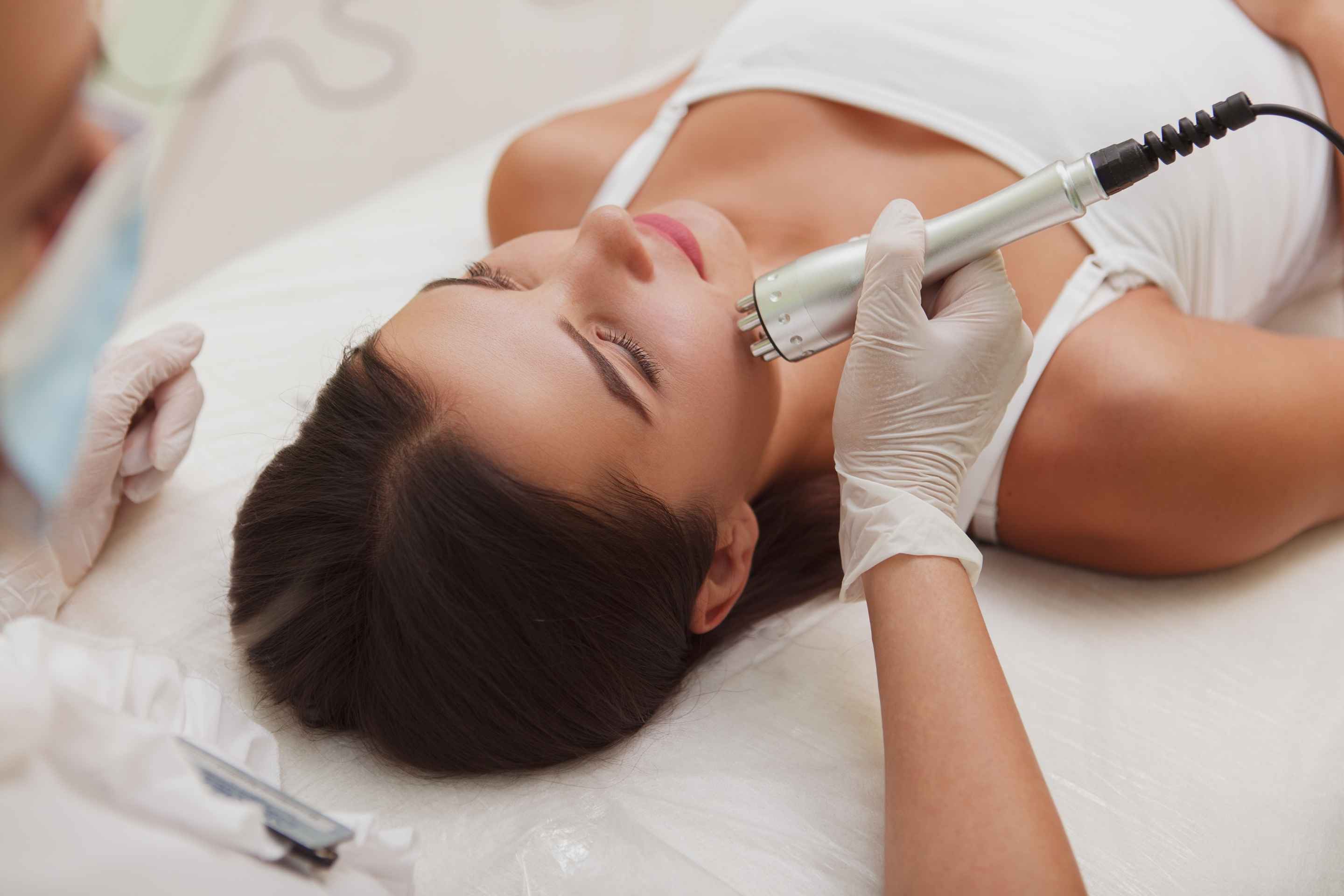
Aesthetic treatments provide support in rebuilding the skin's compromised protective structure. Their goal is to restore the balance of the protective barrier and improve the absorption of nutrients by the stratum corneum. In beauty salon in Warsaw LE CHARME offers treatments that support the skin's natural regenerative processes.
Needle Mesotherapy
Needle Mesotherapy is a non-surgical method for improving skin condition, based on the targeted delivery of nourishing substances directly into its deeper layers. Using a fine needle, preparations containing, among others, hyaluronic acid, vitamins, and antioxidants are introduced, which act intensively at the cellular level. The treatment is used both for visible signs of aging and for prevention – to strengthen the skin's natural functions. It improves hydration, supports the reconstruction of the protective barrier, and stimulates regenerative processes.
Effects of Needle Mesotherapy
The treatment effectively improves skin hydration, increasing its elasticity and firmness. Regularly performed mesotherapy smooths fine wrinkles, strengthens the skin's structure, and supports the skin microbiome's balance. It helps reduce the visibility of discoloration, under-eye circles, and minor scars. The effects are noticeable gradually – the skin becomes smoother, firmer, and regains a healthy appearance.
Treatment Procedure
The treatment is preceded by a consultation with a cosmetologist, who conducts a detailed interview and assesses the skin's needs. Initially, the skin is cleansed and disinfected, and then an anesthetic cream is applied to reduce discomfort. The next stage involves injections – a fine needle is used to introduce the chosen preparation into the designated areas of the skin. Mesotherapy lasts approximately 60 minutes. After completion, the skin is protected with a UV filter cream. For several hours, needle marks, redness, or minor bruises may be visible – these symptoms usually subside within 1–3 days.
Microneedling Mesotherapy
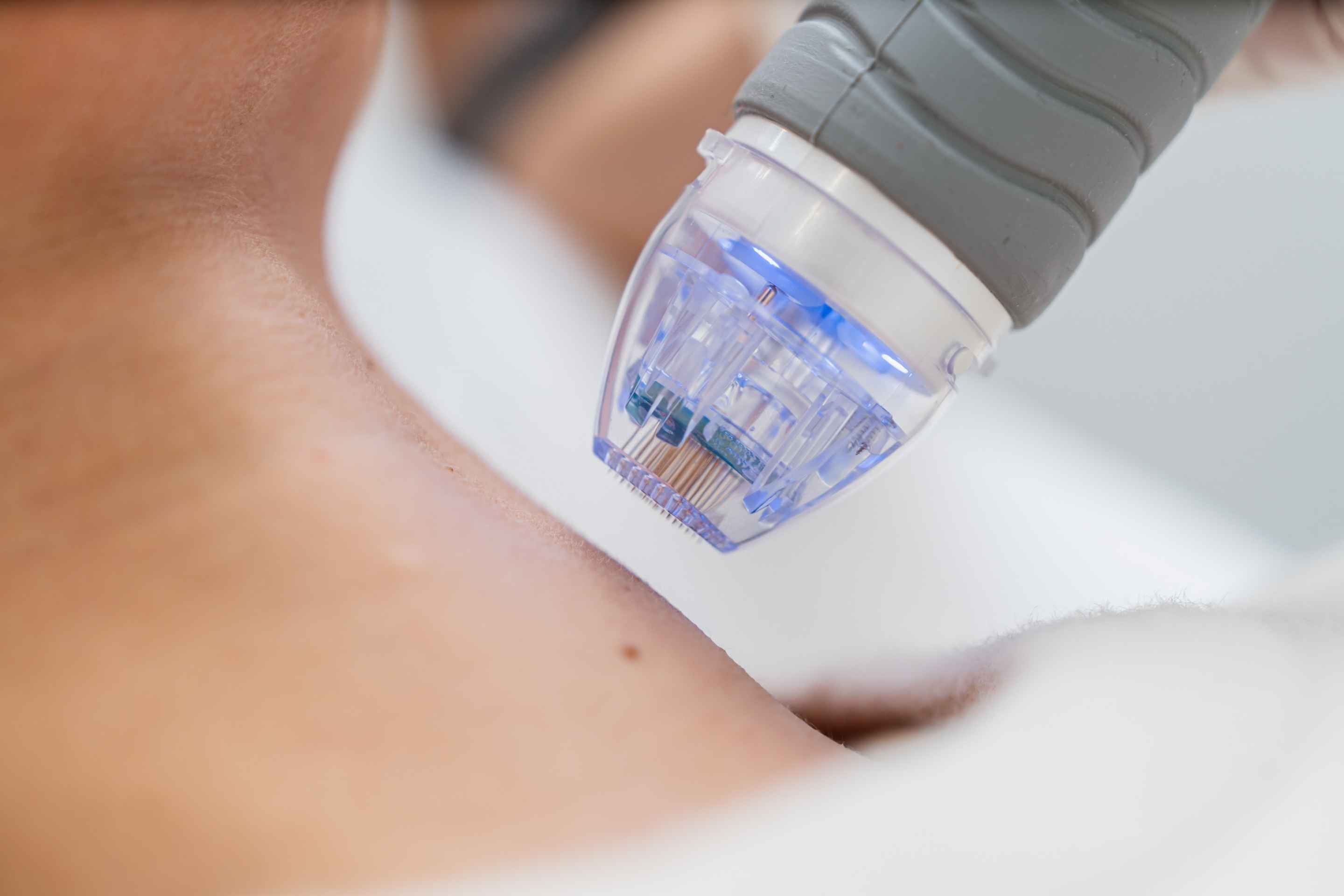
Microneedling Mesotherapy using the SkinPen Precision device is a modern method of skin stimulation, utilizing precise micro-punctures. This technology allows for the creation of thousands of micro-channels in the skin, which initiate repair processes and support natural tissue remodeling. Thanks to controlled damage, the production of collagen and elastin is stimulated, which improves skin density and elasticity. Additionally, the absorption of active ingredients contained in the preparations applied during the treatment is increased. SkinPen is effective for both general revitalization and the correction of specific problems such as scars, wrinkles, or discoloration.
Effects of microneedle mesotherapy
The treatment visibly smooths wrinkles and fine lines, improving skin firmness and tone. It can help reduce the appearance of acne, post-traumatic, or surgical scars, contributing to their fading and lightening. It positively affects skin tone and texture – improving its uniformity, elasticity, and overall firmness. As a result, the complexion looks healthier, more rested, and radiant.
Treatment Process
Before starting the therapy, a specialist conducts a thorough consultation to rule out contraindications and select the appropriate treatment parameters. Then, they disinfect the skin and prepare the device, attaching a sterile micro-needle cartridge and a disposable cover. The skin is covered with a special gel and then subjected to a series of micro-punctures. After the treatment, the treated area is illuminated with a TriWings lamp, which supports regeneration. Finally, the cosmetologist applies a soothing gel, which the patient also receives for home use to accelerate healing and enhance the treatment's effect.
How long does it take to rebuild the hydrolipidic barrier?
The time needed for rebuilding depends on the extent of the damage. With minor irritations, improvement can be noticeable within just a few days. When a damaged hydrolipidic barrier requires deeper regeneration, the process can take from several weeks to even several months. Especially after prolonged improper care, systematic action and patience are necessary.
The duration of regeneration also depends on the quality of the products used and their suitability for the skin's needs. Skin needs time and regular care to regain balance and proper hydration.
FAQ:
1. How to rebuild the hydrolipidic barrier?
To rebuild the hydrolipidic barrier, you must first limit what weakens it – excessive exfoliation, aggressive cosmetics, or lack of sun protection. Products with ceramides, emollients, and humectants will be helpful. It's worth remembering that a damaged hydrolipidic skin barrier can be successfully rebuilt.
2. What causes the skin's hydrolipidic barrier to deteriorate?
Both external factors (such as temperature changes and UV radiation) and internal factors, e.g., dehydration or a poor diet, can lead to disruptions. Poorly chosen cosmetics and intensive skin cleansing without balancing this action with hydration also worsen the condition of the skin's hydrolipidic barrier.
3. What should proper skin care look like for a weakened hydrolipidic barrier?
The foundation is gentle cleansing and systematic moisturizing. Alcohol in cosmetic ingredients should be avoided; instead, choose products that rebuild lipids and support regeneration. The composition of the hydrolipid barrier can be supported by using hyaluronic acid, ceramides, or natural oils.
Sources:
De Luca, C., & Valacchi, G. (2010). Surface lipids as multifunctional mediators of skin responses to environmental stimuli. Mediators of Inflammation, 2010, Article 321494.
Thibodeau, A., & Amari, S. (2009). Maintenance and repair of the hydrolipidic film with skin molecular mimetic emollients and surfactants (Research report). Cosmetics Science Technology B&T Company.