What is a chemical peel?
Chemical peel is a cosmetic procedure involving the application of specific acids to the skin's surface. The action of active substances leads to controlled exfoliation of dead skin cells, which promotes cellular renewal. Depending on the type of substances and their concentration, the effects of a chemical peel can be visible at various levels – from the epidermis to the deeper layers of the dermis.
Various types of acids are used in chemical exfoliation treatments. The most commonly used include mandelic acid, glycolic acid, lactic acid, salicylic acid, trichloroacetic acid (TCA), and phenol. The type of preparation used is selected based on the individual needs of the skin – whether sensitive, oily, or mature.
How do chemical peels work?
Chemical peels work on the skin in a controlled manner – they loosen the bonds between epidermal cells, allowing for their gradual exfoliation. This removes dead cells, and the skin becomes smoother and more radiant. Simultaneously, natural regenerative processes are stimulated, which improve its firmness and elasticity.
Thanks to the action of peels, visible effects can be achieved, such as reduced appearance of wrinkles, improved skin tone, and reduction of acne scars. In many cases, the use of appropriate chemical peels also helps regulate sebum secretion, which positively affects the condition of oily or acne-prone skin.
Types of acids used in peels
Various acids are used in cosmetology clinics, each working slightly differently. Their selection depends on the skin type and therapeutic goal.
AHA (alpha-hydroxy) acids, such as lactic acid and glycolic acid, are recommended for dry and sensitive skin. They improve its appearance and facilitate the removal of dead skin cells.
Salicylic acid, belonging to the BHA group, is effective for acne-prone and oily skin – it has antibacterial properties and penetrates deep into the skin, cleansing pores.
Trichloroacetic acid (TCA) acts intensely – used in medium-depth peels, it improves skin structure and reduces skin problems.
Phenolic Acid is used in deep treatments – it is strong but requires a longer recovery period.
Chemical Peels – Types
Chemical peel treatments are categorized by the depth of their action – from mild to intense.
Superficial Peels
This type of peel acts exclusively on the epidermis. The treatment is minimally invasive and does not require a long recovery. It is excellent for minor imperfections such as discoloration, enlarged pores, or the first signs of aging. Superficial peels are particularly recommended for sensitive skin and can even be performed in a series of treatments.
Medium-Depth Peels
Medium-depth peels affect deeper layers of the skin, reaching the dermis. They provide more noticeable visual effects than superficial peels, while not being as invasive as deep peels. They help improve skin appearance for wrinkles, acne scars, stretch marks, or loss of firmness.
Deep Peels
These are the most intense exfoliating treatments. Performed using phenolic acid, they act on the deepest layers of the dermis. They are used to treat severe skin conditions, but due to their invasiveness and long recovery period, they are not suitable for all skin types.
What is PRX-T33 – needle-free facial biorevitalization?
PRX-T33 is a modern preparation used in aesthetic medicine treatments, whose main goal is deep skin regeneration without compromising its integrity. It is an innovative form of chemical peel, based on a combination of three substances – trichloroacetic acid (TCA 33%), hydrogen peroxide (H₂O₂), and kojic acid. Their synergistic action enables intense tissue biostimulation without causing the epidermal exfoliation effect characteristic of classic peels.
The PRX-T33 treatment is effective for individuals dealing with signs of photoaging, loss of firmness, and uneven skin tone. It also helps reduce acne scars and stretch marks. It can be used as a standalone regenerative procedure or to prepare the skin for other methods, such as microneedling or mesotherapy. PRX-T33 has antibacterial properties and supports natural regeneration, improving skin condition without requiring a break from daily activities.
An advantage of this solution is the absence of visible healing signs. After the treatment, the skin does not peel or become irritated, making it suitable even for individuals with busy schedules or those planning important events.
PRX-T33 – what are its effects?
The PRX-T33 treatment delivers visible results in improving skin structure, firmness, and tone, without the need for exfoliation or interruption of daily activities. This is a solution for individuals seeking real improvement in their skin condition, but without invasive methods or a long recovery period. Below are the main effects you can expect from this treatment.
- Wrinkle smoothing and improved skin tension
Stimulating collagen production in the deep layers of the skin leads to increased density and elasticity. As a result, fine wrinkles become less visible, and the facial contour is noticeably firmed. The skin regains a younger appearance and natural vitality. - Brightening hyperpigmentation and evening out skin tone
The presence of kojic acid in PRX-T33 inhibits the activity of tyrosinase, an enzyme responsible for melanin production. The treatment helps reduce hyperpigmentation of various origins and restores a uniform, bright skin tone, without visible spots or shadows. - Reduction of acne scars and stretch marks
Thanks to the biostimulating action of TCA and H₂O₂, PRX-T33 peel supports tissue regeneration and skin structure remodeling. This results in the smoothing of acne scars and a reduction in the visibility of stretch marks, including on body areas such as the abdomen, thighs, and buttocks. - Improvement of overall skin condition and its regenerative capabilities
The treatment intensifies cellular renewal processes without damaging the skin's surface. The complexion becomes more radiant, nourished, and resistant to external factors. The refreshing effect is visible almost immediately after the treatment.
The PRX-T33 peel works deeply yet in a controlled and safe manner – perfectly meeting the needs of those seeking an effective, non-invasive skin revitalization method.
PRX-T33 Chemical Peel – Procedure
Each treatment is preceded by a consultation to rule out contraindications and select an appropriate course of action. The procedure involves cleansing the skin, applying the PRX-T33 preparation in several layers, and massaging it in. After a few minutes, the substances are removed, and a regenerating cream is applied to the skin.
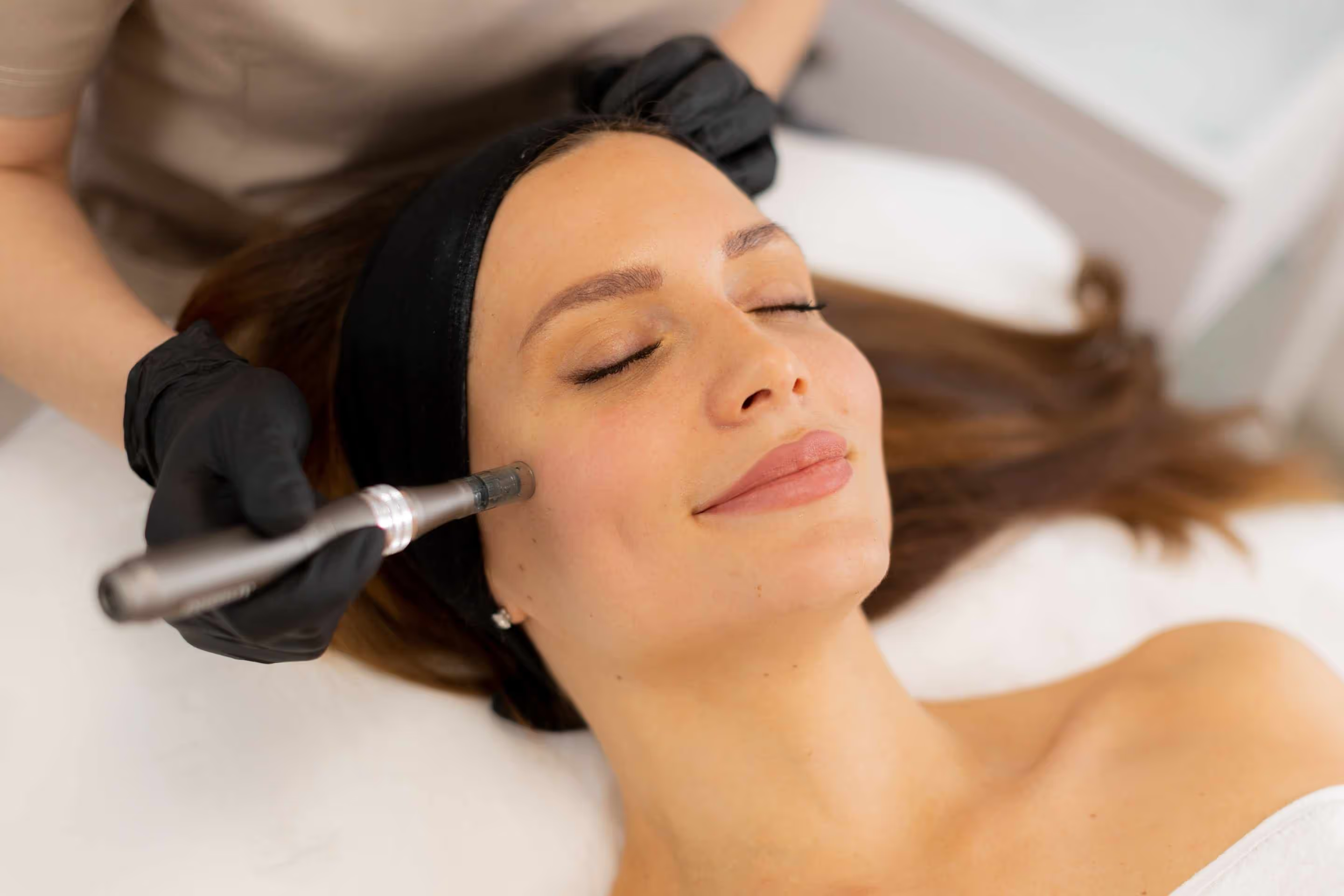
Unlike deep peels, PRX-T33 does not require anesthesia or recovery time. To enhance the effects, it can be combined with microneedling mesotherapy, which supports cell regeneration in the deeper layers of the skin.
When should you opt for a professional chemical peel?
Chemical peel is used for many skin problems. This treatment is worth considering when you experience:
- acne scars or stretch marks,
- loss of firmness or skin laxity,
- signs of photoaging,
- dull complexion and uneven skin tone,
- enlarged pores and a tendency for inflammation,
- fine wrinkles and early signs of aging.
Peels can be used regardless of skin type – including for those with sensitive or oily skin. The key is the appropriate selection of active ingredients.
Chemical peels – contraindications
Despite their wide application, not everyone is suitable for a chemical peel. Contraindications include:
- fresh tan,
- active herpes or other skin lesions,
- isotretinoin treatment (6-month waiting period required),
- pregnancy and breastfeeding,
- allergy to product ingredients,
- tendency to irritation,
- seborrheic dermatitis.
After the treatment, avoid sun exposure and hot baths. It is also essential to use creams with a high SPF.
Aesthetic cosmetology – chemical peels at a reputable salon
The safety and effectiveness of peels depend not only on the quality of the preparations used but also on the specialist's experience. Professional cosmetology and aesthetic medicine clinic offers an individual skin type analysis and selects ingredients for specific needs. This ensures that each treatment is not only effective but also tailored to the skin's condition and its reaction to particular ingredients.
FAQ:
1. Can an enzymatic peel replace an acid peel?
An enzymatic peel is a milder form of exfoliation, often recommended for very sensitive skin. Unlike an acid peel, it only works on the surface and does not affect deeper skin layers, so it cannot replace more intensive methods, but it can complement them.
2. Who is a phenol peel for?
Phenol peels are used for deep wrinkles and advanced skin lesions. However, not everyone qualifies for such an invasive procedure. Although it visibly improves skin appearance, it requires a long recovery period and strict specialist supervision.
3. When are chemical peels a good choice?
Peels are worth considering when the skin becomes dull, loses firmness, or when discoloration and unevenness appear. Chemical peels help restore its freshness and smoothness – they remove dead skin cells and stimulate renewal, ensuring a youthful skin appearance.
Sources:
Phasha, V., Senabe, J., Ndzotoyi, P., Okole, B., Fouche, G., & Chuturgoon, A. (2022). Review on the use of kojic acid—A skin-lightening ingredient. Cosmetics, 9(3).
Sitohang, S. I. B., Legiawati, L., Suseno, L. S., & Safira, F. D. (2021). Trichloroacetic acid peeling for treating photoaging: A systematic review. Dermatology Research and Practice, 2021(1), Article 3085670.