What is atopic dermatitis?
It is a chronic inflammatory skin disease, often with an allergic basis. The disease involves damage to the epidermal barrier, leading to moisture loss and increased susceptibility to irritants. Atopic dermatitis usually develops in early childhood, but symptoms can also persist into adulthood. The condition is recurrent, with varying symptom severity, and often co-occurs with other allergic diseases.
What are the symptoms of atopic dermatitis?
Atopic dermatitis is hard to miss – its symptoms are exceptionally bothersome and affect daily functioning. The skin becomes dry, flaky, and prone to damage. Persistent itching is also characteristic, which can worsen at night or after contact with irritants. The itching can be so severe that it leads to scratching the lesions, increasing the risk of bacterial infections.
What are the causes of AD?
The mechanism behind the development of AD is not yet fully understood. However, it is known that the disease has a complex background – genetic and environmental factors, as well as immune system disorders, are significant. One risk factor is a defect in the filaggrin protein, which is responsible for the integrity of the skin barrier. Its absence leads to excessive dryness and increased epidermal sensitivity.
Environmental factors include sudden temperature changes, air pollution, contact with animals, stress, and fragranced and chemical substances. These factors influence the course of the disease and can also trigger flare-ups. Food allergies, infections, and improper daily skincare can exacerbate symptoms and accelerate the disease's progression.
Cosmetic treatments recommended for AD
Atopic skin requires a unique approach – every cosmetic intervention must consider its hyperreactivity, dry texture, and damaged protective skin barrier. Proper professional skincare should support epidermal regeneration, skin hydration, and the alleviation of inflammatory symptoms. Below, we present gentle and safe methods that provide strengthening and regenerating effects without the risk of irritation.
- Therapies to restore the hydrolipid barrier
Treatments using linoleic acid, stem cells, or ceramides help restore skin balance and reduce its sensitivity. Rebuilding the hydrolipid mantle effectively limits water loss and alleviates AD symptoms. - Epidermal oxygenating treatments
Technologies based on CO₂ microbubbles improve microcirculation and prepare the skin for better absorption of active ingredients. This is an excellent option for facial atopic dermatitis. - Regeneration with exosomes
Innovative intercellular vesicles deliver lipids, proteins, and growth factors. They have anti-inflammatory effects, soothe itchy skin, and support the regeneration of both the epidermis and deeper layers. - Gentle enzymatic peels
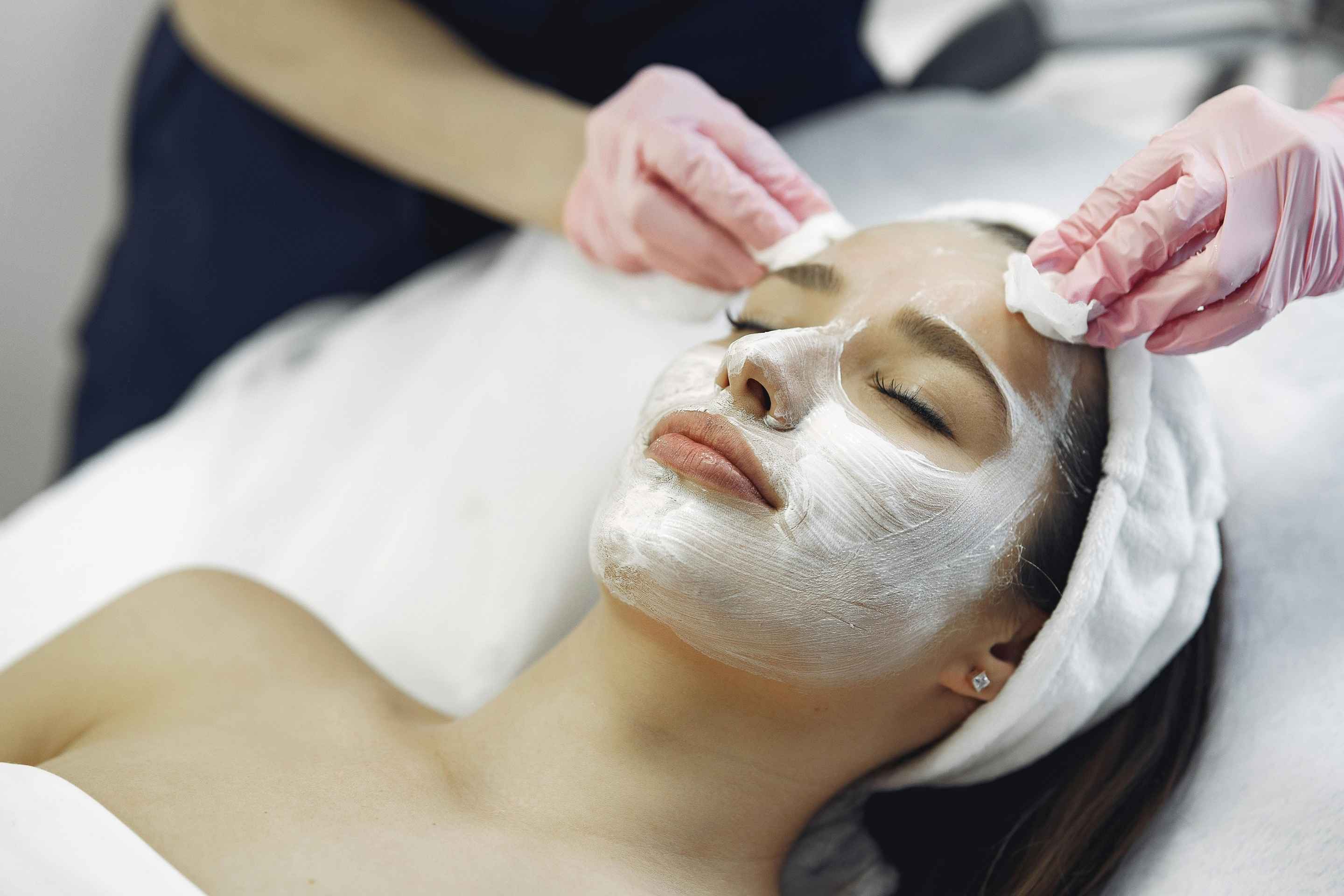
Formulas based on plant enzymes (papain, bromelain) cleanse the epidermis without disrupting its structure. They do not exacerbate lesions and are suitable for atopic skin care. - Plant oil treatments
Blends of baobab, hemp, borage, or rosehip seed oils provide essential lipids, strengthen the skin barrier, and reduce the feeling of skin dryness.
Atopic Dermatitis – Cosmetic Treatments to Avoid
Skin affected by atopic dermatitis is very sensitive to contact with intense ingredients or high temperatures. Improperly chosen treatments can lead to an exacerbation of lesions, an increased allergic reaction, or further damage to the skin barrier. Therefore, in the treatment of atopic dermatitis, it is crucial to avoid actions that could worsen symptoms or cause irritation.
Treatments not recommended for atopic dermatitis:
- Chemical peels with high acid concentrations
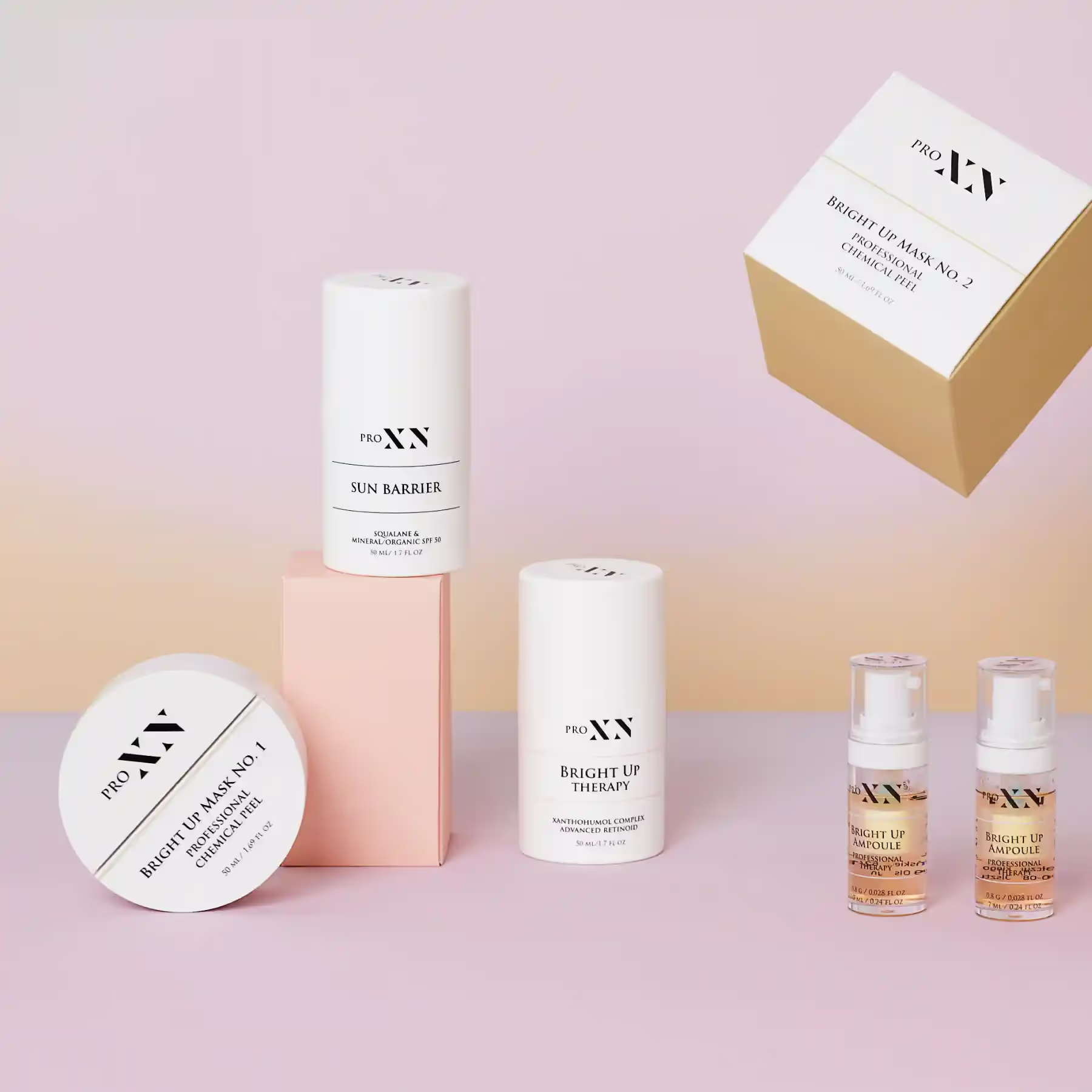
Strong AHAs and BHAs can damage sensitive epidermis and lead to excessive exfoliation, causing an allergic reaction and irritation. For atopic dermatitis, these should be avoided in favor of milder cleansing methods. - Retinol and its derivatives
Retinoid compounds have a strong irritating effect and can exacerbate symptoms of atopic dermatitis. Their use can cause redness, burning, and skin dryness. - Ablative laser treatments
Strong interference with the skin's structure weakens its protective barrier and increases the risk of complications. This is particularly dangerous for individuals with atopy and chronic skin conditions. - Mechanical microdermabrasion
Treatments using crystals or an abrasive head are too invasive. Atopic skin does not tolerate intense abrasion and may respond with increased inflammation. - Products containing SLS, SLES, or strong fragrances
Cosmetics and preparations used during treatments must not contain chemical substances that disrupt the skin barrier. Fragrances and detergents can significantly worsen symptoms, especially in individuals with food allergies or atopy.
Cosmetic treatments for individuals with AD at LE CHARME
At our beauty salon in Warsaw LE CHARME, our cosmetologist selects treatments based on skin condition and disease activity, focusing on rebuilding the protective barrier, reducing irritation, and improving epidermal hydration. Our offerings include specialized treatments that effectively support the care of atopic skin in a clinical setting.
POLLOGEN GENEO – 3-in-1 oxygenation and care
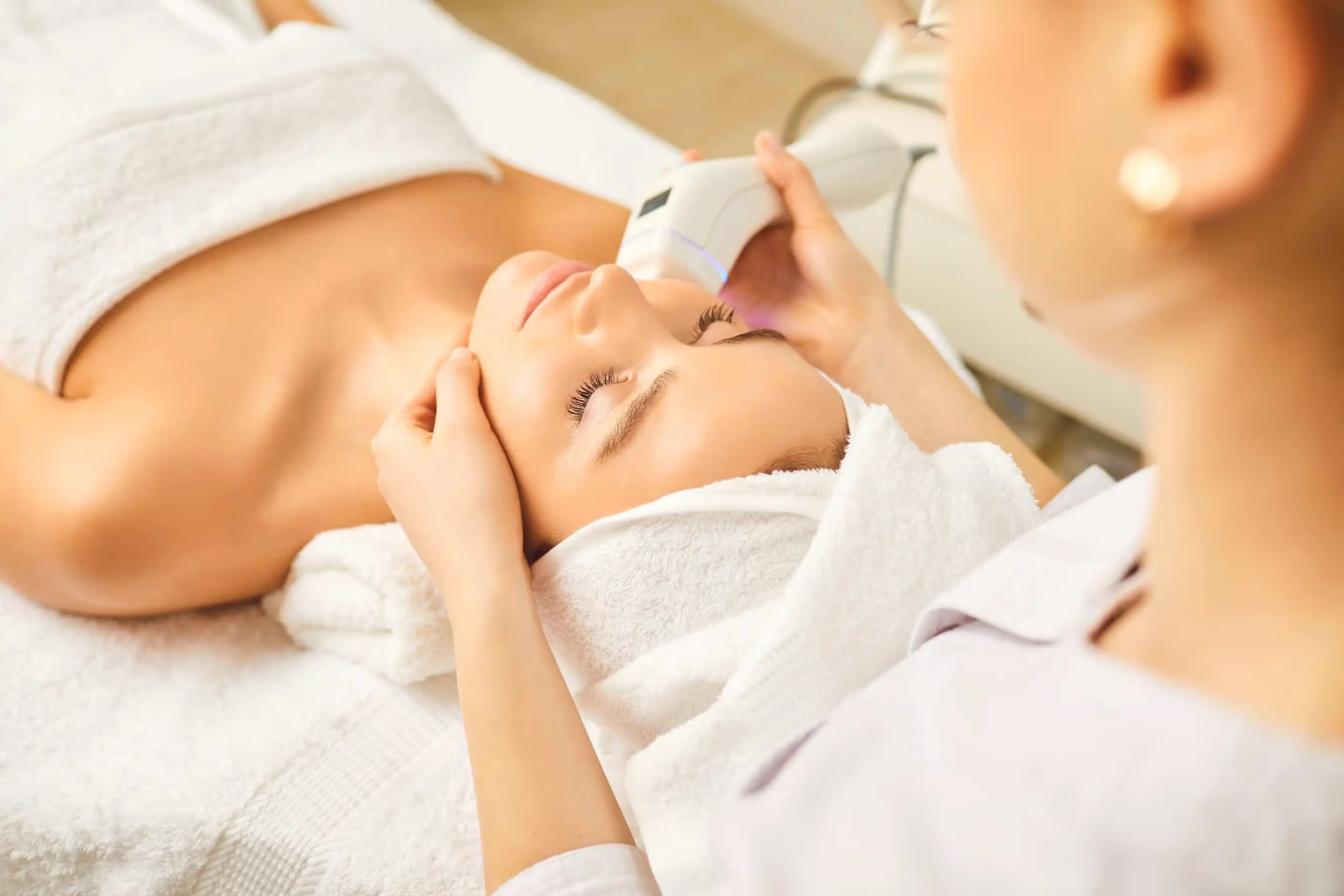
The POLLOGEN GENEO treatment combines exfoliating, oxygenating, and nourishing actions in a single procedure. OxyGeneo technology is based on the Bohr effect – carbon dioxide microbubbles formed on the skin's surface stimulate internal tissue oxygenation and improve microcirculation. This activates natural regenerative mechanisms and enhances the absorption of ingredients from the applied serum.
Thanks to its gentle nature and short recovery time, skin oxygenation is suitable even for sensitive skin. This treatment can be performed in a series or as a single procedure to support the care of skin prone to dryness.
Effects of the POLLOGEN GENEO treatment:
- exfoliation of dead skin cells – unclogs pores and improves skin texture;
- deep skin oxygenation – improves skin tone and promotes regeneration;
- hydration – restores elasticity and reduces feelings of tightness;
- firming – stimulates collagen production, strengthening the skin;
- brightening – smooths the skin's surface and enhances its radiance.
Dermaquest Lipid Control – regeneration and reconstruction
The Dermaquest Lipid Control treatment aims to rebuild the hydrolipid barrier and restore the skin's physiological pH. The treatment involves the application of active substances such as linoleic acid and plant stem cells, which support epidermal regeneration and reduce the effects of excessive dryness. After the treatment, the skin regains elasticity, becomes less reactive, and better tolerates external factors.
This treatment is particularly recommended for individuals with clear signs of dryness, compromised epidermal structure, and visible signs of sensitivity – often occurring during disease activity.
Effects of the Dermaquest Lipid Control treatment:
- skin regeneration – restores natural cellular balance;
- hydration – increases water content in the epidermis;
- protection – reduces the impact of irritating substances;
- anti-aging – improves skin elasticity and reduces wrinkles.
ASCE+ Exosomes – modern regenerative therapy
Treatment with ASCE+ exosomes is an innovative therapeutic method based on the use of extracellular vesicles containing growth factors, hyaluronic acid, and lipids. Exosomes play an important role in skin cell communication – they accelerate regeneration and support the reconstruction of the hydrolipid barrier.
This solution is especially recommended for individuals with active inflammation, irritation, or after long-term dermatological therapies that have disrupted the skin's balance.
Effects of ASCE+ exosomes:
- reduction of wrinkles, scars, and stretch marks – the treatment improves skin structure and density;
- hydration and regeneration – rebuilds the damaged protective layer;
- improvement of skin tone – brightens discolorations and evens out the complexion;
- anti-inflammatory and itch-relieving effects – reduces symptoms of irritation;
- acne reduction – has antibacterial properties and regulates sebum secretion;
- strengthening of the hydrolipid barrier – increases the skin's resistance to external factors;
- hair strengthening – improves the condition of the scalp and hair structure.
FAQ:
1. What does atopic dermatitis look like?
Atopic dermatitis manifests as dryness, flaking, and redness of the skin. Bumps, micro-cracks, and irritated patches are visible, often accompanied by intense itching that disrupts sleep. Lesions primarily appear in the elbow creases, on the neck, face, and hands.
2. How is atopic dermatitis recognized?
The condition can be recognized by characteristic symptoms such as chronic dryness, a feeling of tightness, and recurring irritation. Diagnosis often requires a dermatological consultation and allergy tests. During assessment, the doctor considers the location of lesions, family history, and allergy history.
3. Can people with AD undergo cosmetic treatments?
Yes, but only with appropriately selected procedures. Soothing and regenerating treatments that support the reconstruction of the hydrolipid barrier are recommended, e.g., Dermaquest Lipid Control or exosome therapies. Chemical peels, retinoids, and laser treatments should be avoided.
Sources:
Kim, J. H., Kim, J.-E., Kang, S.-J., & Yoon, J.-K. (2025). Exosomes and exosome-mimetics for atopic dermatitis therapy. Tissue Engineering and Regenerative Medicine, 22, 381–396.
Woldan-Tambor, A., & Zawilska, J. B. (2009). Atopic dermatitis (AD) – a 21st-century problem. Farmacja Polska, 65(11), 804–811.